Command Attention with Wilmington: Urban Typography for Bold Branding
Every design project has a voice, but not every typeface can shout with clarity and conviction. For projects that demand a raw, energetic, and unmistakably modern presence, the choice of typography becomes the foundational element of your visual hierarchy. This is where a display font like Wilmington transitions from a simple asset to a strategic tool, capturing the essence of urban expression and translating it into powerful visual communication.
The Anatomy of an Urban Soul
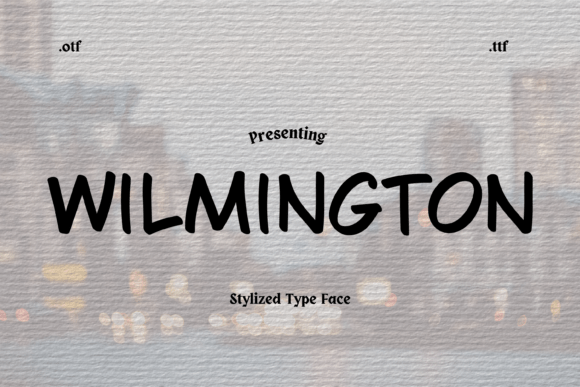
Wilmington is a stylized display font that immediately commands attention. Its character is built on thick, marker-style letterforms with rhythmic, slightly slanted strokes. This isn't a sterile, geometric typeface; it has a confident, hand-inked texture that exudes personality and movement. The heavy structural weight ensures maximum impact, while its contemporary flair keeps it firmly rooted in modern aesthetics. It’s a typeface that feels both intentional and spontaneous, perfect for designs that need to convey energy, authenticity, and a touch of grit.
Practical Applications for Maximum Impact
Understanding a font's strengths allows you to deploy it effectively across various creative projects. Wilmington’s bold character makes it ideal for applications where first impressions and lasting impact are critical. Consider its role in strengthening brand identity and user engagement across these key areas:
- Branding & Logo Design: Create a memorable wordmark for independent brands, streetwear labels, or lifestyle companies that want to project confidence and urban appeal.
- Marketing & Advertising: Design high-impact headers for posters, digital ads, and promotional materials that need to cut through visual noise.
- Social Media & Digital Marketing: Craft "sleek-and-gritty" headers, video thumbnails, and Instagram stories that stop the scroll and reinforce brand consistency.
- Website & UI Design: Use it sparingly for hero sections, landing page headlines, or call-to-action buttons to inject personality into a user interface without compromising overall UX design principles.
- Editorial & Packaging Design: Make a statement on magazine covers, feature article titles, or product packaging that aims for a cinematic or street-inspired aesthetic.
- Motion Graphics & Merchandise: Its strong silhouette translates well to animated titles for video content and stands out on apparel, accessories, and other physical goods.
Integrating Bold Typography into Your Design Workflow
Deploying a powerful display font like Wilmington requires thoughtful consideration to maintain balance and readability. Its strength lies in headlines and short bursts of text, not body copy. Here are practical tips for effective integration:
- Prioritize Visual Hierarchy: Pair Wilmington with a clean, neutral sans-serif or serif font for body text. This contrast ensures readability while allowing the display font to command the spotlight where it matters most.
- Consider Context and Audience: Evaluate if the "urban-and-expressive" soul aligns with your target audience's expectations. It’s a perfect fit for streetwear, music, film, and lifestyle sectors but may require careful styling for more traditional corporate contexts.
- Test for Scalability: Check its legibility at various sizes, especially for digital applications like favicons or small UI elements. Its bold nature holds up well, but always verify on actual devices.
- Leverage Color and Composition: Wilmington’s texture pairs well with strong color palettes and dynamic compositions. Use it to anchor a layout and build other design elements around its confident strokes.
In the landscape of graphic design, the assets you choose are direct extensions of your creative intent. A typeface is never just letters; it’s a carrier of tone, emotion, and brand personality. By selecting a creative resource like Wilmington, you’re not just choosing a font—you’re equipping your design toolkit with a voice that resonates with contemporary energy. Thoughtful typography elevates a project from being merely seen to being felt, ensuring your visual communication is as effective and compelling as the message it carries.